
Hiking as Therapy: Exploring the proven science behind "Forest Bathing" and outdoor mindfulness.
Spending time in nature feels good, but is there more to it than just fresh air and a change of scenery? Dive into the science behind "Forest Bathing" and outdoor mindfulness, exploring how hiking can be a potent form of therapy for both mind and body.
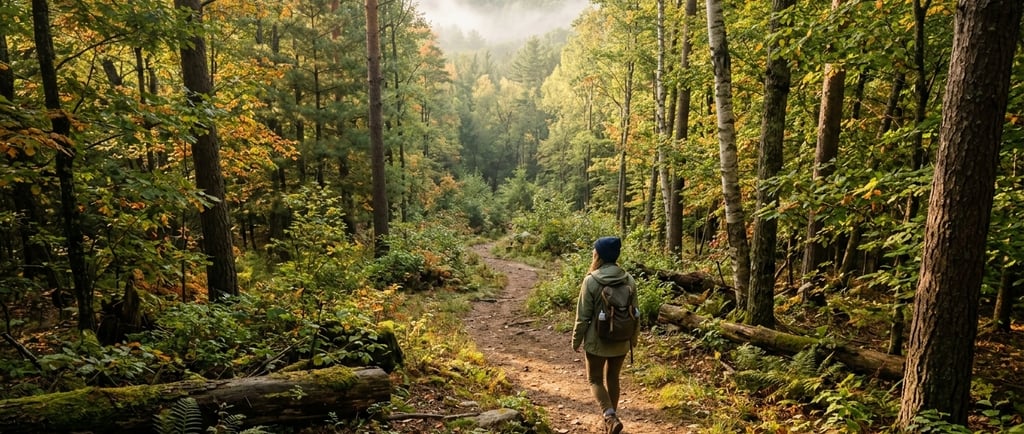
For generations, cultures around the world have recognized the restorative effects of spending time in nature. The Japanese practice of "Shinrin-yoku," which translates to "forest bathing," has gained global popularity in recent years, but its roots run deep in Japanese culture. Forest bathing isn't about physical exercise like hiking; it's about mindfully immersing oneself in the forest atmosphere using all five senses. And now, modern science is validating what ancient wisdom has long known: nature is a powerful therapist.
The Science Behind the Scenery
Numerous studies have explored the physiological and psychological benefits of forest bathing and outdoor mindfulness. Let's break down some of the key findings:
1. Reduced Stress and Anxiety: Spending time in a forest environment has been shown to lower levels of cortisol, the body’s primary stress hormone. This can lead to a significant reduction in feelings of anxiety and a calmer state of mind.
2. Improved Mood: Research indicates that nature walks can help alleviate symptoms of depression and enhance overall mood. The natural world can spark feelings of awe, gratitude, and a sense of wonder, which are all linked to a more positive emotional state.
3. Enhanced Focus and Attention: In our digitally saturated world, our attention is constantly fragmented. Spending time in nature can help restore our ability to focus. The theory is that the "soft fascination" of nature—the gentle, engaging stimuli that capture our attention without demanding too much mental effort—allows our prefrontal cortex, the part of the brain responsible for executive function, to rest and recover.
4. Boosted Immune System: Some studies suggest that being in a forest environment can enhance the activity of natural killer (NK) cells, which play a crucial role in our immune system's response to infection. This effect is thought to be partly due to the inhalation of phytoncides, volatile organic compounds released by trees and plants.
From Forest Bathing to Outdoor Mindfulness
Forest bathing is a specific practice, but you don't need to find a specialized forest therapist to reap the benefits of outdoor mindfulness. You can incorporate mindfulness into your existing hiking routine or create a dedicated nature connection practice. Here’s how:
Start with Intention: Before you set out on your hike, take a moment to set an intention. Are you looking to find clarity, release stress, or simply connect with the natural world? Setting an intention can help anchor your experience.
Engage Your Senses: As you hike, make a conscious effort to engage all of your senses.
Sight: Notice the variations of green in the foliage, the patterns of the light, the shapes of the clouds.
Sound: Listen to the wind rustling through the leaves, the distant call of a bird, the sound of your own footsteps on the trail.
Smell: Take deep breaths and notice the earthy scents of the forest. Is there a faint aroma of pine, damp leaves, or wildflowers?
Touch: Run your hand along the rough bark of a tree, feel the cool smoothness of a stone, or the gentle touch of a breeze on your skin.
Taste: While you shouldn't taste random plants, you can be mindful of the taste of your water or a simple snack, savoring each bite.
Practice Mindful Walking: Pay attention to the sensation of walking. Notice the rhythm of your breath, the feeling of your feet making contact with the ground, the movement of your body. If your mind begins to wander, gently guide it back to the present moment and your physical experience.
Find Stillness: Dedicate a portion of your time outdoors to sitting in stillness. Find a quiet spot and simply observe without judgment. This is not about trying to empty your mind, but about allowing thoughts to come and go, like clouds in the sky, while remaining anchored in your natural surroundings.
Making it a Regular Practice
The benefits of forest bathing and outdoor mindfulness are most potent when they become a regular part of your life. Start with small, manageable goals. Even a 20-minute mindful walk in a local park can make a difference. As you become more comfortable, you can explore longer trails, discover new nature spots, and deepen your practice.
Hiking isn't just about physical challenge and stunning vistas; it's a powerful tool for self-care and mental well-being. By incorporating the principles of forest bathing and outdoor mindfulness into your outdoor adventures, you can turn a simple walk in the woods into a profound therapeutic experience.
So, the next time you feel overwhelmed, anxious, or just plain tired, don't just stay in. Step outside, take a deep breath, and let nature work its magic. You might be surprised at the healing power that's right outside your door.
As an Amazon Associate I earn from qualifying purchases.
© 2026. All rights reserved.


Gear Up. Head Out. Hike On.