
Leave No Trace: Beyond Just "Packing It Out"
An educational deep dive into the seven principles of Leave No Trace. You can discuss less-obvious tips, like the impact of "organic" litter (orange peels, apple cores) and how to properly dispose of waste in different biomes.

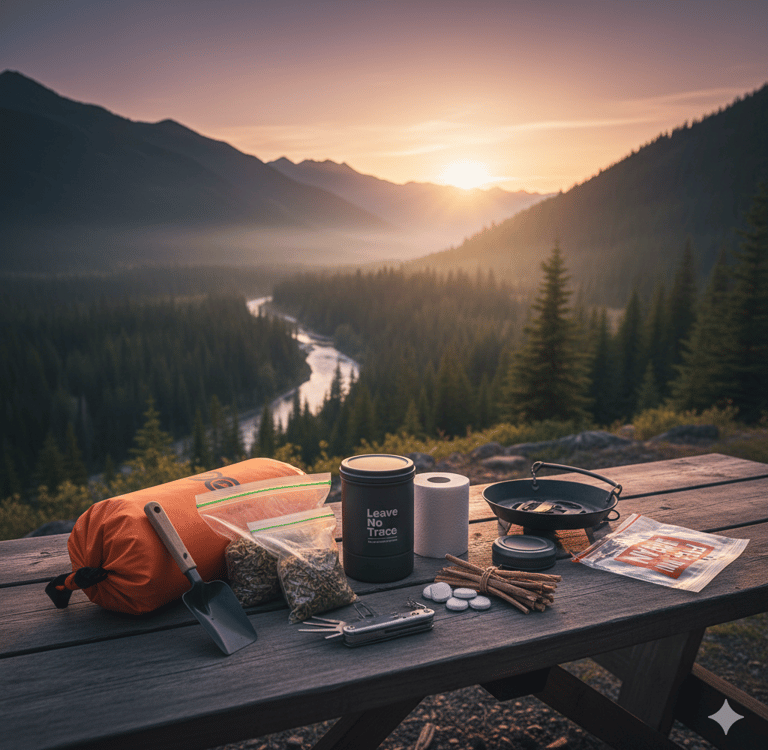
When you hear "Leave No Trace," the first thing that often comes to mind is packing out your trash. And yes, that's absolutely crucial! But the philosophy of Leave No Trace (LNT) is far more comprehensive, extending into every aspect of our interaction with the wild. It's a set of seven principles designed to minimize human impact on the environment, ensuring that the beauty and integrity of natural spaces are preserved for everyone, for always.
To truly master LNT, we need to look beyond just "pack it out" and understand the deeper implications of each principle.
The 7 Principles of Leave No Trace: A Deeper Dive
1. Plan Ahead and Prepare
This is the bedrock of LNT. It’s not just about knowing your route, but understanding the area's regulations, potential hazards, and weather.
Beyond the Basics: Research fragile ecosystems, fire restrictions, and wildlife activity. Pack appropriate gear to avoid improvising in the field (e.g., proper sanitation tools instead of digging a shallow cathole near water). Have a backup plan for emergencies and unforeseen circumstances. The better prepared you are, the less likely you are to cause unintended impacts.
2. Travel and Camp on Durable Surfaces
Sticking to established trails and campsites minimizes erosion and vegetation damage.
Beyond the Basics:
On Trails: Walk in the middle of the trail, even if it's muddy, to avoid widening it.
Off-Trail: If venturing off-trail, spread out to avoid creating new paths. In pristine areas, choose rock, dry grass, or snow. Avoid sensitive vegetation, especially cryptobiotic soil, which looks like dark, crusty soil and takes decades to recover from a single footprint.
Campsites: Use existing campsites. If none are available, choose a site away from water, trails, and fragile plants. Keep your site small.
7. Be Considerate of Other Visitors
Share the trail and respect the experience of others.
Beyond the Basics:
Yielding: Uphill hikers generally have the right of way. Bikers yield to hikers. Everyone yields to horses/pack animals.
Noise: Keep voices and music levels low. Many people seek solitude in the wilderness.
Breaks: Take breaks off to the side of the trail to allow others to pass.
Campsites: Choose quiet spots and avoid spreading out gear excessively.
The LNT Mindset
Mastering Leave No Trace isn't about following a rigid checklist; it's about adopting a mindset of stewardship. It's understanding that every decision we make in the wilderness, no matter how small, has an impact. By moving beyond the simple act of "packing it out" and embracing all seven principles, we can ensure that our wild places remain wild, beautiful, and accessible for generations to come.
3. Dispose of Waste Properly
This is where "pack it out" shines, but it's not just about wrappers.
Beyond the Basics:
Human Waste: Dig a cathole 6-8 inches deep and at least 200 feet (about 70 paces) from water, trails, and campsites. Cover it thoroughly. Pack out all toilet paper and hygiene products.
Food Waste: Even "biodegradable" items like apple cores, banana peels, and nut shells can take years to break down, attract wildlife to human food sources (which can be dangerous for animals), and are unsightly. Pack it ALL out.
Greywater: Disperse dishwater or water used for washing at least 200 feet from water sources. Use minimal soap, or ideally, no soap at all.
4. Leave What You Find
Resist the urge to take "souvenirs" or alter the natural environment.
Beyond the Basics: Leave rocks, plants, historical artifacts, and natural objects as you found them. Avoid building structures, cairns (unless for navigation on established routes), or altering anything. Let others experience the same sense of discovery and wonder.
5. Minimize Campfire Impacts
Campfires can be iconic, but they're also a source of significant impact.
Beyond the Basics:
Fire Rings: Use existing fire rings. In areas without them, consider a fire pan or build a mound fire.
Wood: Gather only dead and downed wood that can be broken by hand. Avoid snapping branches off trees, even dead ones.
Extinguish Completely: Drown fires with water, stir the ashes, and feel for heat with the back of your hand. Repeat until it's cold.
Alternatives: Consider a camp stove for cooking and a headlamp or layers for warmth to minimize fire impact. In many areas, especially during dry seasons, fires may be prohibited. Always check current fire restrictions.
6. Respect Wildlife
Observe animals from a distance and never disturb them.
Beyond the Basics:
Distance: Use binoculars or a zoom lens. Never approach, feed, or follow animals.
Food Storage: Store food and scented items securely in bear canisters, bear bags, or hung from trees to prevent wildlife from accessing human food, which can lead to animals becoming habituated and dangerous.
Pets: Keep pets under control, on a leash, or at home if allowed. Their presence can stress and displace wildlife.
Sounds: Avoid loud noises that can disturb animals.
As an Amazon Associate I earn from qualifying purchases.
© 2026. All rights reserved.


Gear Up. Head Out. Hike On.