
Mastering the "Type 2 Fun" Mindset: How to Stay Mentally Tough When the Weather Turns and the Trail Gets Steep
Whether you’re battling a surprise whiteout or a relentless incline that makes your lungs burn, the difference between a "disaster" and an "adventure" is entirely in your head. This post dives into the grit and glory of **Type 2 Fun**, offering practical mental shifts and survival strategies to help you embrace the grind, keep your legs moving, and find the humor in the clouds.
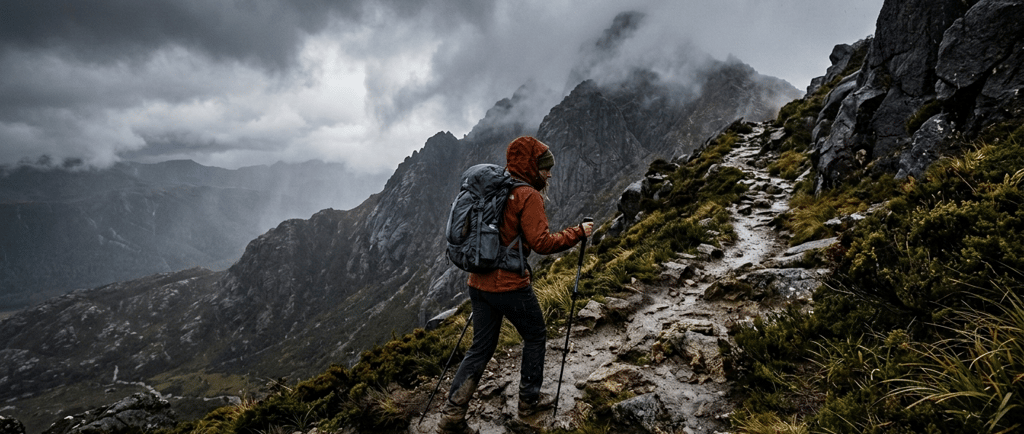
We’ve all been there. You’re six miles into a ten-mile ascent, the "partly cloudy" forecast has turned into a horizontal sleet storm, and your quads are screaming in a language you didn't know they spoke.
In the outdoor world, we call this Type 2 Fun.
The "Fun" Hierarchy
To master the mindset, you first have to identify the beast. Outdoor enthusiasts generally categorize "fun" into three buckets:
Type 1 Fun: Enjoyable while it’s happening. Think: sunny wildflower hikes, cold beers by the campfire, and easy downhill glides.
Type 2 Fun: Miserable while it’s happening, but glorious in retrospect. It’s the grit, the grind, and the "why am I doing this?" moments that turn into your best stories.
Type 3 Fun: Not fun at all, not even later. This usually involves actual peril or rescue missions. (We try to avoid this one.)
When the trail gets steep and the sky turns grey, you have officially entered the Type 2 zone. Here is how to keep your head in the game when your boots are sinking into the mud.
1. Reframe the Suffering
The moment you start thinking, "This shouldn't be happening," you’ve already lost the mental battle. Acceptance is your greatest tool. Instead of fighting the rain, acknowledge it as a core component of the adventure.
Pro Tip: Tell yourself, "This is the part of the story that makes the summit worth it." Without the struggle, the view from the top is just a postcard; with the struggle, it’s a trophy.
2. Segment the Struggle (The "10-Minute Rule")
When you’re looking at a 2,000-foot vertical gain in a downpour, the sheer scale of the task can cause mental collapse. Stop looking at the summit.
Focus only on the next:
Switchback
Large rock
Ten minutes of movement
By shrinking your horizon, you prevent your brain from "checking out" due to overwhelm.
3. Manage Your Internal Thermostat
Mental toughness is inextricably linked to physical comfort. You can't stay positive if you're borderline hypothermic.
Eat before you’re hungry: Your brain runs on glucose. If you’re crashing emotionally, you’re likely just low on fuel.
Layer early: Don’t wait until you’re shivering to put on your shell. Staying dry-ish is easier than getting dry.
4. Lean Into the Absurdity
There is a certain point in a grueling hike where things become so objectively "bad" that they become funny. Find the humor in the mud-caked boots and the wet sandwich. A well-timed joke or a sarcastic comment to your hiking partner can break the tension and release a much-needed hit of dopamine.
The Aftermath: Why We Do It
The beauty of Type 2 Fun is that it builds a "resiliency bank." The next time you face a stressful deadline at work or a challenge in your personal life, you’ll look back and think, “I climbed a mountain in a sleet storm with a 30-pound pack. I can handle this.”
Mastering the mindset isn't about being a superhero; it's about being willing to be uncomfortable for the sake of a great story.
See you on the (steep) trail.
As an Amazon Associate I earn from qualifying purchases.
© 2026. All rights reserved.


Gear Up. Head Out. Hike On.