So, You’re Sleeping Outside: A No-Panic Guide for First-Time Campers
A beginner-friendly roadmap designed to turn camping anxiety into outdoor confidence.
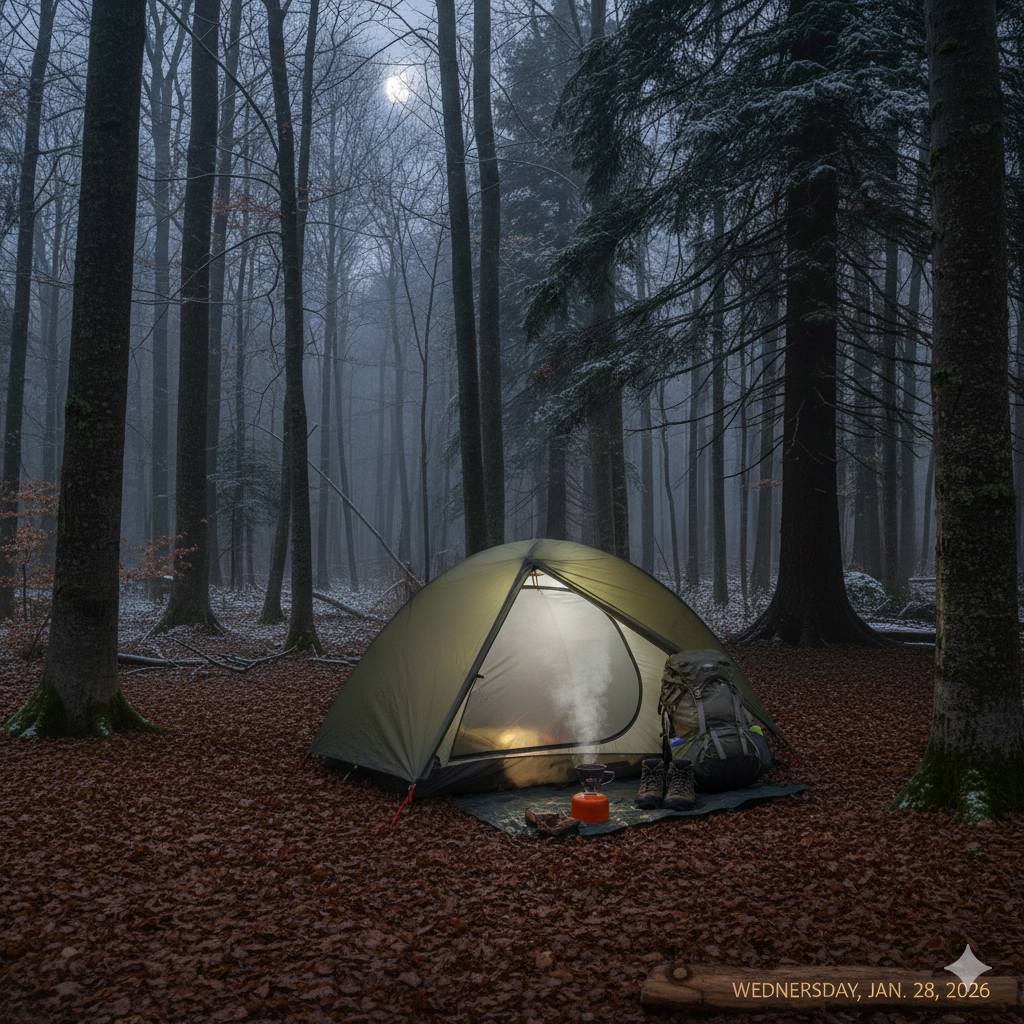
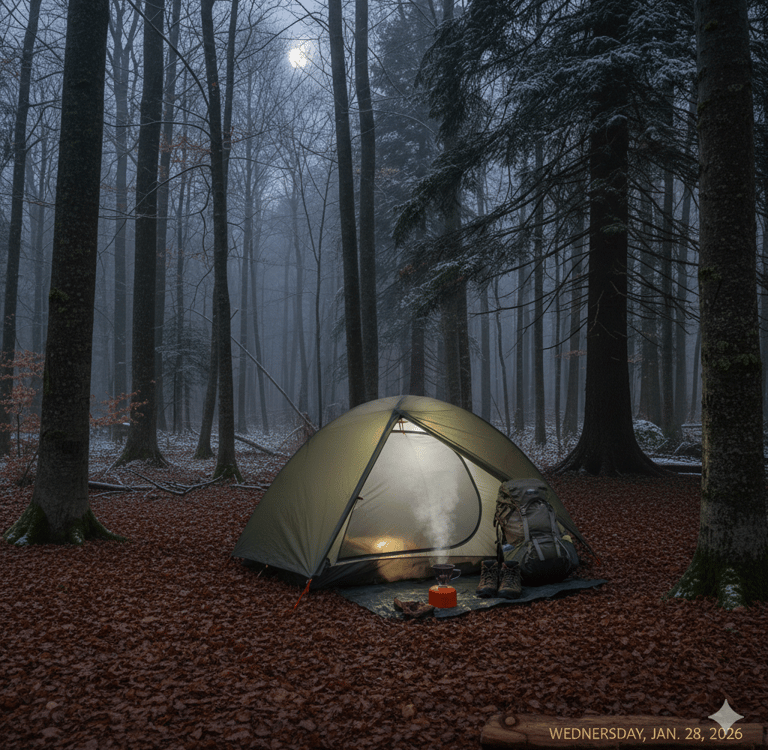
The idea of camping is often a beautiful montage of starlit skies and perfectly toasted marshmallows. The reality for a first-timer, however, usually involves a frantic 45-minute battle with a tent pole and the nagging suspicion that every rustle in the bushes is a grizzly bear.
If you’re feeling a mix of excitement and "what have I gotten myself into," don't worry. Everyone starts as a novice. Here is how to survive (and actually enjoy) your first night under the stars.
1. The "Backyard" Rehearsal
The absolute worst time to learn how your gear works is at 7:00 PM in a dim forest while the mosquitoes are eyeing you for dinner.
Pitch the tent at home: Do it in your living room or backyard first.
Test your stove: Make sure you know how to ignite it and that you have the right fuel.
Check your pad: Inflate your sleeping pad to make sure it doesn't have a slow leak.
2. The Big Three: Sleeping, Eating, and Staying Dry
You don't need a $400 titanium spork to have a good time. Focus your budget and energy on these three pillars:
Sleeping: It’s not just about the sleeping bag. The ground is a heat sink that will suck the warmth right out of you. A quality sleeping pad with a solid R-value (a measure of insulation) is the difference between a cozy night and a shivering disaster.
Eating: Keep it simple. For your first trip, pre-make a hearty chili or bring high-quality dehydrated meals. The goal is to minimize cleanup and stress.
Staying Dry: Even if the forecast says 0% chance of rain, bring a rain jacket and the "rain fly" for your tent. Nature loves a surprise.
3. Addressing the "Wild" Fears
Let’s be real: the "scary" stuff is rarely the problem.
Wildlife: Most animals want nothing to do with you. The real "beasts" are squirrels and raccoons looking for a snack. Keep a clean camp, never bring food inside your tent, and lock your cooler in the car at night.
The Bathroom: Yes, it’s different. Most established campgrounds have pit toilets or even flushing ones. Bring your own roll of toilet paper and hand sanitizer just in case—it's the ultimate "pro" move.
4. Pack for the Lows, Not the Highs
A common mistake is packing for the daytime high of 75°F. Once the sun goes down, temperatures drop significantly. Always bring merino wool or synthetic layers (avoid cotton, which stays cold and wet) and a warm beanie, even in the summer.
Pro Tip: Download an offline map of the area on your phone. Cell service is notoriously fickle in the woods, and you don't want to be "navigating by the stars" when you're just trying to find the trailhead.
The First-Timer’s Checklist
[ ] Tent (with stakes and rain fly)
[ ] Sleeping bag and pad
[ ] Headlamp (better than a flashlight for hands-free cooking)
[ ] First aid kit
[ ] More water than you think you need
Camping is less about "conquering the wild" and more about slowing down enough to notice it. Your first trip might be a little messy, and you’ll probably forget something small, but that’s all part of the story.
As an Amazon Associate I earn from qualifying purchases.
© 2026. All rights reserved.
Gear Up. Head Out. Hike On.