
Solo Hiking: Safety Tips for Hitting the Trail Alone
Empower readers to hike solo by providing a safety checklist: sharing itineraries with friends, carrying an SOS device, and trusting one’s intuition.
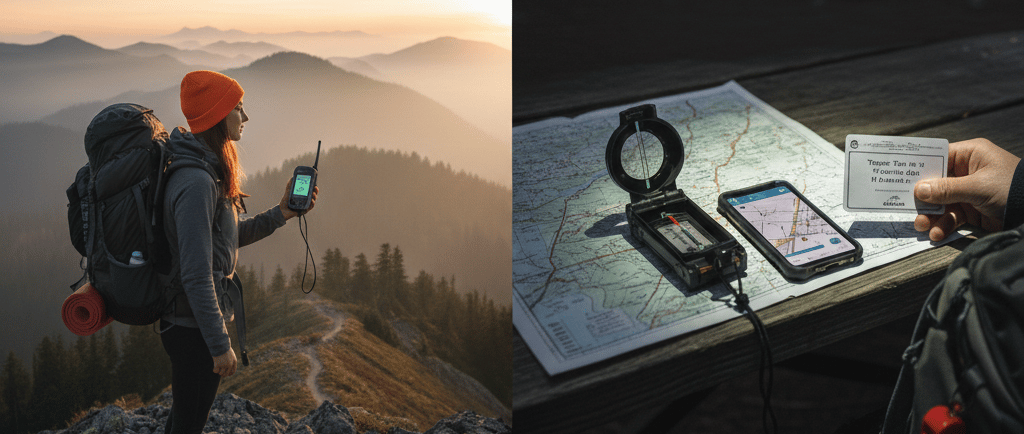
4. Manage Your Pace (and Your Mind)
Solo hiking can be mentally taxing. Without a partner to distract you, it’s easy to let "the creeps" set in as the sun goes down or the woods get thick.
Talk to Yourself: It sounds silly, but talking out loud (or singing) can keep your spirits up and alert wildlife to your presence, reducing the chance of a surprise encounter.
Avoid "Summit Fever": It is much easier to over-extend yourself when you don't have someone else to check your energy levels. Take frequent breaks and stay on top of your hydration.
There is a unique kind of magic in solo hiking. Without the chatter of a group, your senses sharpen; you notice the subtle shift in the wind, the rustle of a marmot in the brush, and the steady rhythm of your own breath. It is the ultimate exercise in self-reliance and mindfulness.
However, solo hiking does mean you are your own first responder. Without a partner to help if you take a tumble, your margin for error is slimmer. Here is how to embrace the solitude while staying smart and safe.
1. The "Golden Rule": Leave a Trip Plan
Never head into the wilderness alone without telling someone exactly where you are going. This is your "safety net."
Details to include: The trailhead name, your intended route (and any planned detours), your expected return time, and a "trigger time"—the time at which your contact should call Search and Rescue if they haven't heard from you.
Pro Tip: Leave a copy of this plan on the dashboard of your car at the trailhead as well.
2. Trust Your Intuition
When you're alone, your "gut feeling" is a vital piece of safety equipment. If a weather front looks more ominous than predicted, or a trail becomes too washed out for your comfort level, turn back. There is no one to impress and no group consensus to wait for. The mountain will be there tomorrow; the goal is to make sure you are, too.
3. Modern Tech: Your Digital Lifeline
In 2026, satellite communication is more accessible than ever.
Satellite Messengers: Devices like the Garmin inReach or Zoleo allow you to send "I'm okay" texts to loved ones and have a dedicated SOS button for life-threatening emergencies.
Battery Management: Keep your phone in "Low Power" or "Airplane Mode" to preserve battery for navigation, and always carry a small portable power bank.
As an Amazon Associate I earn from qualifying purchases.
© 2026. All rights reserved.


Gear Up. Head Out. Hike On.