The Great Outdoors Showdown: Tent vs. Van vs. RV
Tent, Van, or RV? Here are the pros, cons, and hidden costs of the three most popular ways to camp.
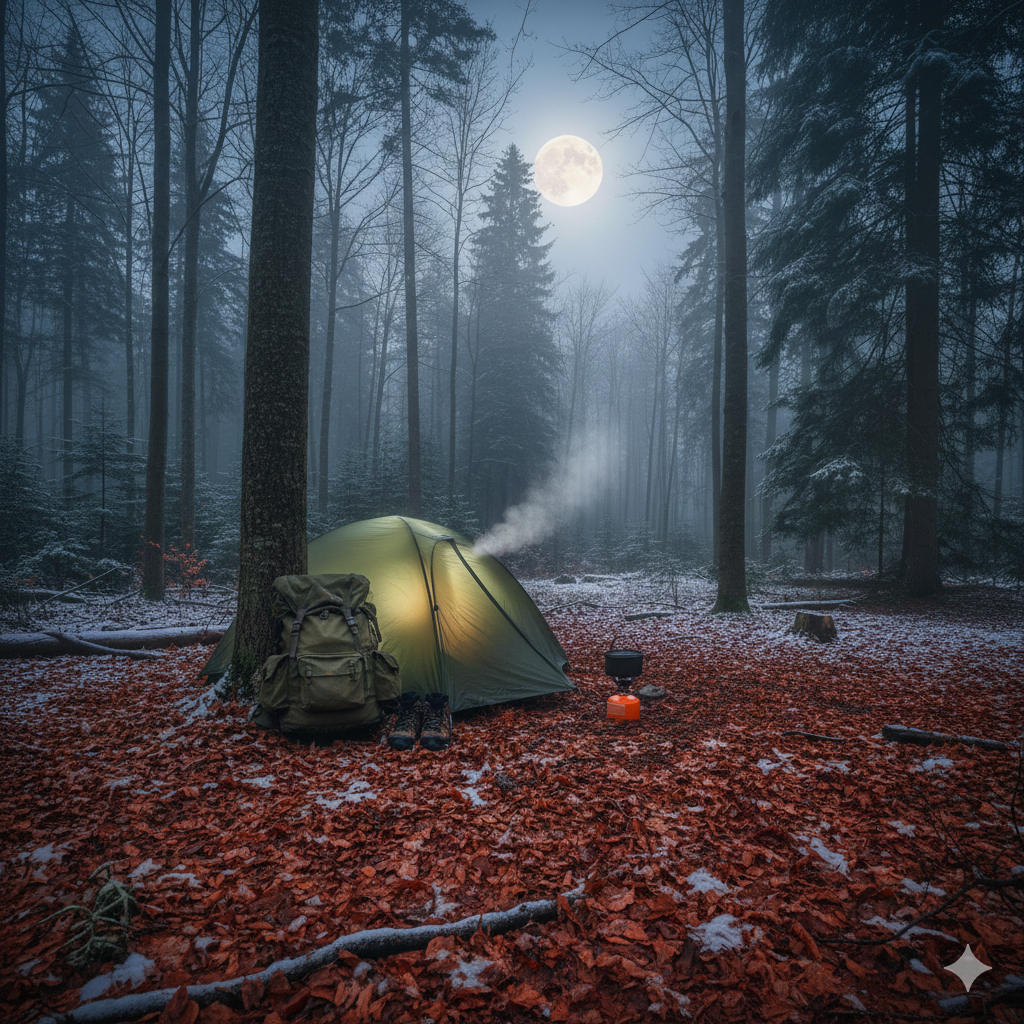
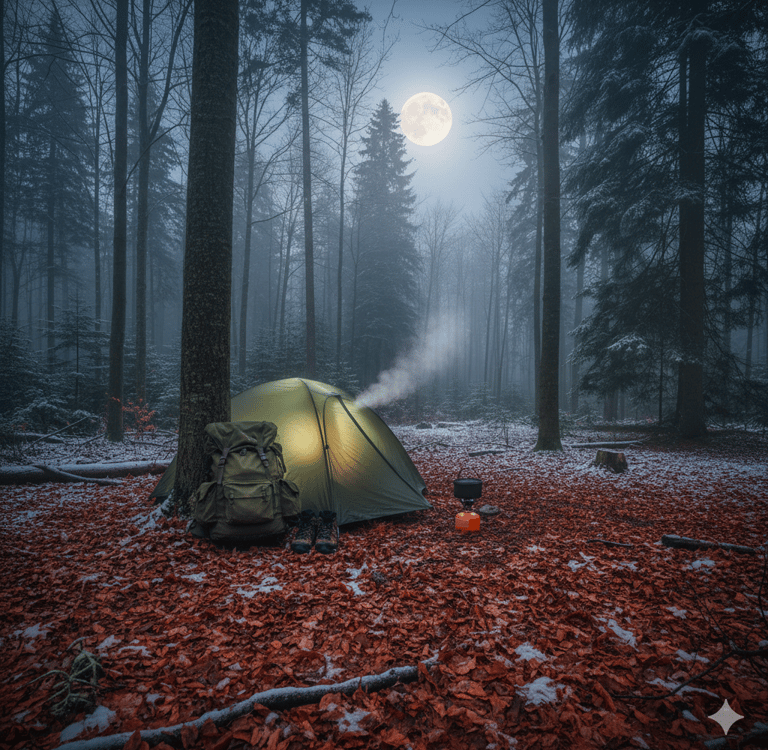
So, you’ve decided to trade your ceiling for the stars—but how exactly are you getting there? Choosing your "vessel" is the biggest decision you'll make, and it completely changes the flavor of your trip. Are you looking for a rugged connection to nature, or do you want to bring the kitchen sink along for the ride?
Here is the breakdown of the three heavyweights of the camping world to help you find your perfect match.
1. The Purist’s Choice: Tent Camping
This is the "classic" experience. It’s you, a thin layer of nylon, and the elements.
The Vibe: Total immersion. You’ll hear every owl, smell the pine needles, and feel the temperature shift.
The Pros: It’s the most budget-friendly option and allows you to access remote "walk-in" sites that vehicles can't reach.
The Cons: You are at the mercy of the weather. If it’s 40°F and raining, you’re going to feel it. Plus, there's the "setup tax"—spending an hour pitching camp and blowing up mattresses.
2. The Modern Nomad: Van Life
Usually involving a converted Sprinter or a classic VW, van life is the middle ground between rugged and pampered.
The Vibe: Spontaneous and mobile. Since your bed is always made, you can pull into a spot and be "camping" in thirty seconds.
The Pros: Great for road trips. You have a hard shell for weather protection and usually a small kitchenette. It’s much easier to drive and park than a massive rig.
The Cons: Space is tight. If you’re traveling with more than two people (or a large dog), it can feel like a game of Tetris. Conversion costs can also be surprisingly high.
3. The Rolling Fortress: RVing
From towable trailers to massive Class A motorhomes, this is for those who want to "outdoor" without "roughing it."
The Vibe: A home away from home. You have a real shower, a microwave, and a door that locks.
The Pros: Ultimate comfort. It’s the best choice for families or long-term travel. You aren’t worried about rain, bugs, or where to find a bathroom at 3:00 AM.
The Cons: It’s expensive. Between fuel, insurance, and campground "hookup" fees, the costs add up. You’re also limited to sites with wide roads and flat pads.
As an Amazon Associate I earn from qualifying purchases.
© 2026. All rights reserved.
Gear Up. Head Out. Hike On.