
The "No-Trace" Ethics: How to Be a Better Guest in the Great Outdoors
Master the ethics of the outdoors with this guide to Leave No Trace (LNT) principles. Learn how to manage waste properly, protect water sources, and minimize your impact on wildlife and fellow campers.
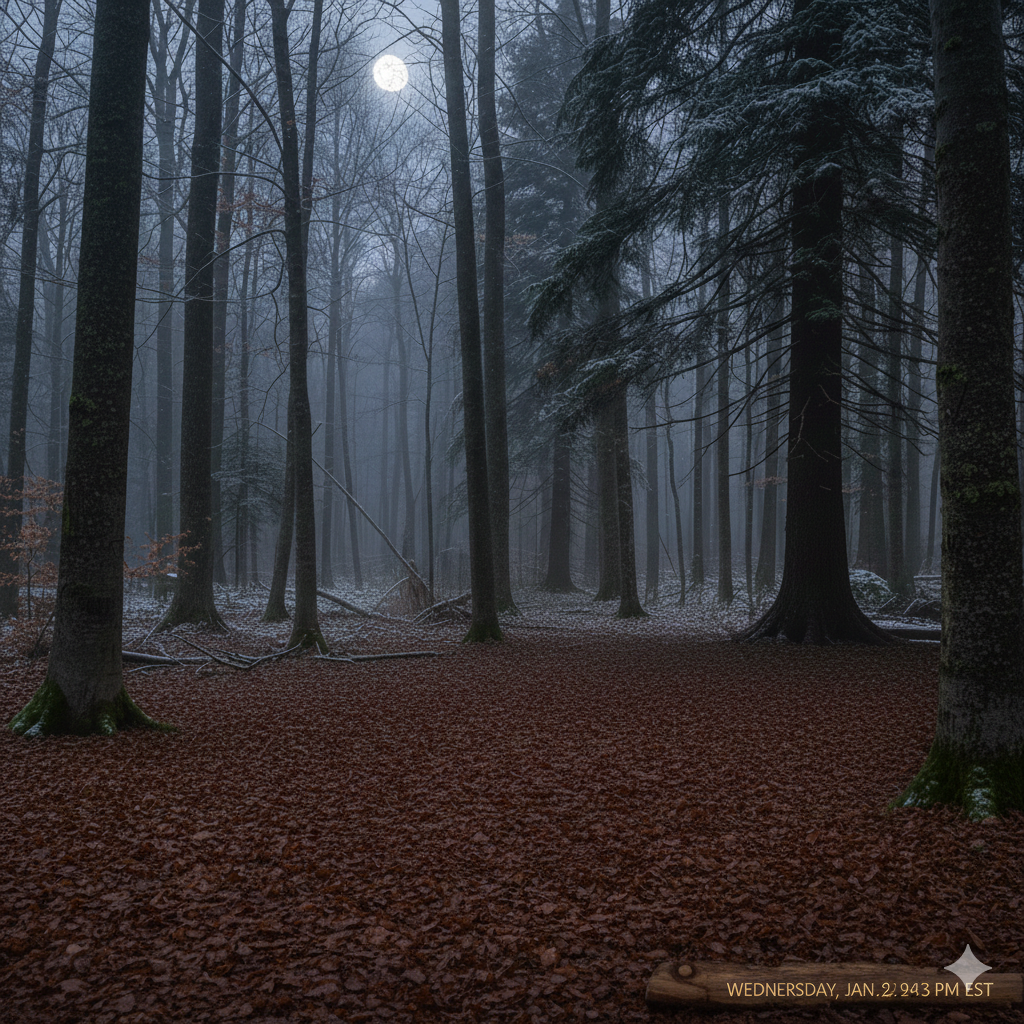

We’ve all seen it: a beautiful lakeside campsite marred by a forgotten plastic bag, or a circle of blackened rocks where a fire shouldn’t have been. As the outdoors becomes more popular, our collective impact grows.
Being a "good" camper isn't just about following rules; it's about an ethical shift. It’s the difference between seeing the wilderness as a playground and seeing it as a fragile home where you are a temporary guest. Here is how to master the "Leave No Trace" (LNT) principles and minimize your footprint.
1. The Art of the "Invisible" Campsite
The best campsites are found, not made. Avoid the urge to "improve" your spot by digging trenches for your tent or building furniture out of logs.
Stick to durable surfaces: Pitch your tent on rock, gravel, or established pads. Avoid crushing fragile wildflowers or meadow grasses.
The 200-foot rule: Always set up camp at least 200 feet (about 70 steps) away from lakes and streams to protect water quality and give wildlife a clear path to their water source.
2. Managing the "Unmentionables": Waste & Greywater
This is where many new campers get tripped up. "Biodegradable" soap does not mean it belongs in the lake.
The Greywater Spray: After washing dishes (with minimal biodegradable soap), use a mesh strainer to catch food scraps and pack those out in your trash. Take the remaining water at least 200 feet from any water source and scatter it widely (like a spray) so it doesn't saturate one spot.
The Cat Hole: If there are no toilets, dig a hole 6–8 inches deep for human waste. Cover it with natural materials. Pro tip: Pack out your toilet paper in a sealed bag. It breaks down much slower than you think.
3. Campfires: Small, Contained, and Cold
A massive bonfire is a classic image, but it's often the most damaging thing a camper can do.
Use established rings: Don't build new ones.
The "Cold-Out" Test: Before you go to sleep or leave, your fire shouldn't just be "not flaming." It should be cool to the touch. Drown it with water, stir the ashes, and repeat until the steam stops.
4. Respect the "Social" Environment
Leave No Trace also applies to the human experience. Sound travels incredibly far in the woods.
Keep the volume down: Your neighbors came for the sound of wind in the pines, not your Bluetooth speaker.
Yield the trail: When hiking, yield to those moving uphill—they’re working harder!
The Golden Rule of Conservation: "Take only pictures, leave only footprints." If you find a cool rock, an arrowhead, or a beautiful flower, leave it there. Taking it robs the next person of that same moment of discovery.
As an Amazon Associate I earn from qualifying purchases.
© 2026. All rights reserved.


Gear Up. Head Out. Hike On.