
The Repair Kit Revolution: Beyond duct tape—the essential tools for fixing high-tech 2026 gear in the field
Ditch the rolls of silver tape and step into the future of wilderness self-reliance. As our boots get smarter and our shells go high-tech, the "McGyver" kit of yesterday is no longer enough to keep you moving. "The Repair Kit Revolution" explores the essential 2026 toolkit—from conductive patches for smart fabrics to diagnostic sniffers for electronic failures—ensuring your most advanced gear remains field-ready when it matters most.
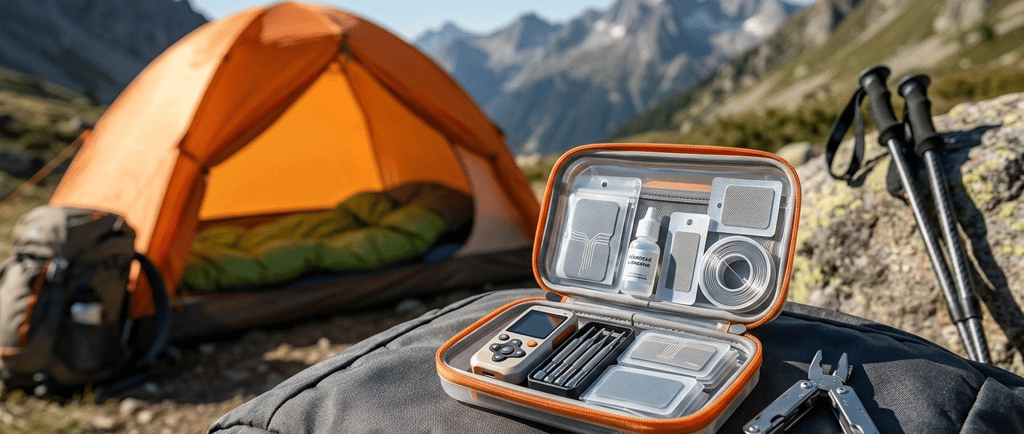
Back in the day (say, 2016), your hiking repair kit was simple. A roll of duct tape, some safety pins, a few feet of paracord, and you were a wilderness McGyver. If your boot sole delaminated, you taped it. If your pack strap snapped, you knotted it. It was brutal, effective, and beautifully analog.
But it's 2026. Your "gear" is a complex ecosystem. Your boots now have micro-processors managing active traction. Your ultra-light, solar-integrated shell doesn't just block rain; it manages its own climate-control membrane. Your pack has a built-in power-distribution hub for your satellite comms and navigation tablet.
Duct tape is still a legend (and yes, keep a roll). But trying to fix a frayed carbon-nanotube hiking pole with it is like trying to heal a laser incision with a rusty saw. The revolution is here, and it's time to build a repair kit that can actually handle the high-tech gear of 2026.
The Gear Has Changed. The Kit Must Too.
The shift is fundamental. Traditional gear was robust but dumb. Modern gear is smart but inherently more delicate. Electronics, composites, and highly engineered materials (like self-healing polymers and ultra-fine conductive threads) have made us more efficient, comfortable, and safe. But they are vulnerable to failure modes that no amount of tape can solve.
A standard "repair" in 2026 isn't just about patching a hole; it's about restoring functionality. That means having the tools to address structural, electrical, and electronic failures.
Let's dive into the core components of the 2026 field repair revolution.
The New Field Surgery Kit: A Tiered Approach
A comprehensive kit is no longer just a pouch. It's a small, organized pod divided into three critical zones:
Zone 1: The Multi-Material Patch Kit
Think of this as the old "patch" concept, but weaponized with advanced materials science. Forget "one-size-fits-all."
High-Bond, Ultra-Thin VHB Tapes: (Very High Bond) and thin. These are for structural repairs. They bond instantly and strongly to metal, plastics, and composites (like carbon fiber). A snapped tent pole or a cracked boot frame? This is your go-to. Unlike duct tape, it won't stretch or leave residue, creating a rigid, functional mend.
Conductive Adhesive Patches: These are specialized patches embedded with a network of micro-fine conductive threads. If you snag your smart-fabric jacket and sever the thread connecting the heating element to the battery, you use one of these. It patches the hole and, more importantly, restores the electrical circuit.
Hydrophilic TPU Patches (Self-Healing Backup): For high-stress waterproof items like packs or hydration bladders. When applied over a tear, they use body heat and pressure to chemically weld themselves to the original material, creating a permanent, waterproof bond that can even self-heal small future micro-tears.
Zone 2: The Electronics & Power Bay
This is the newest, most radical addition. Your gear needs juice, and it needs connectivity. When it fails, you are truly cut off.
Universal Diagnostic Sniffer: A tiny, USB-C-compatible device. It plugs into the diagnostic port of your boot, jacket, or power hub. Through a simple app on your phone (or a basic LED display), it reads out the nature of the fault: "Open circuit in right boot," "Battery cell imbalance," or "Antenna short." This transforms repair from guessing to precision.
Precision Driver Kit (with non-magnetic bits): To access battery compartments or internal components, you'll need micro-screwdrivers. Importantly, these bits should be non-magnetic (to avoid scrambling sensitive compass or GPS sensors) and made of a durable, high-torque alloy.
Pre-crimped Electrical Jumper Wires: These are tiny, micro-fine wires with gold-plated connectors on both ends. If the "sniffer" identifies a break in a critical wire inside a battery pack or sensor hub, you can bypass the broken trace by snapping this jumper across the two connector points. It's like a field bypass for your tech.
Miniature Induction Welder (Piezoelectric): For advanced users. This is a pen-sized tool that generates a hyper-localized, high-frequency current. It's not a soldering iron; it uses the resistance of the conductive material (like that jumper wire) to generate heat, creating a secure, reliable electrical bond without open flames or messy solder. It’s perfect for making those jumper connections permanent.
Zone 3: The Traditional Structure & Spares Pod
Don't abandon the wisdom of the past; just elevate it.
Kevlar-Core Paracord: This is "super paracord." It has the traditional 7-strand inner core, but one or more of those strands are high-tensile Kevlar. It's thinner, lighter, and has a breaking strength nearly double traditional cord. Use it for everything from guylines to replacing a broken pack frame element.
Precision Multi-Tool (Updated): This isn't just pliers and a knife. It needs features specifically for the 2026 kit:
Precision Wire Strippers: For those tiny electronics wires.
Bit Driver Integration: (To use the bits from Zone 2).
Specialized Pliers: With a profile that can grip fine objects (like micro-electronics connectors) without crushing them.
Advanced Thread & Needle Kit: Forget cotton. This needs ultra-strong, low-friction materials like Dyneema or Vectran thread. And a range of needles, from fine (for smart fabrics) to curved upholstery needles (for heavy-duty packs and straps). This is for structural fabric repairs that tape can't handle.
Training Is the Ultimate Tool
You can buy the most advanced kit in the world, but it's worthless if you don't know how to use it. A crucial part of the repair kit revolution is preparation.
Get to Know Your Gear: Before your trip, download and read the manuals for your "smart" items. Understand where the batteries are, where the diagnostic ports are, and what the common error codes mean.
Practice on "Retired" Gear: Have an old, slightly torn jacket or a cracked non-smart pole? Use your new tools on them. Apply a VHB tape patch. Try to crimp a jumper wire. The first time you use your miniature induction welder should not be in a howling rainstorm.
Build Your Own Kit: The best kits are personalized. If you don't wear "smart boots," don't carry the specific diagnostic tool for them. If your tent uses a revolutionary composite pole system, carry a spare segment.
The New Ethic: Resiliency, Not Redundancy
The duct tape era was about patching and persevering. The 2026 kit is about a different ethos: resiliency. We've pushed our gear to be lighter, smarter, and more integrated, which makes it fundamentally less redundant. If your one smart-jacket power hub fails, you don't have a backup.
Your 2026 repair kit is that backup. It's your commitment to not let a technical glitch, a snagged conductive thread, or a snapped composite rod turn an epic trip into an epic fail. It's the small, powerful revolution that keeps you out there, fully functional, and experiencing the wild with all the advantages that the future has given us.
As an Amazon Associate I earn from qualifying purchases.
© 2026. All rights reserved.


Gear Up. Head Out. Hike On.