
The Science of a Good Night’s Sleep: Mastering Your Camp Sleep System
Stop waking up tired and cold. This deep dive into camping sleep systems so you can build a setup that guarantees a "home-quality" sleep in the wilderness.
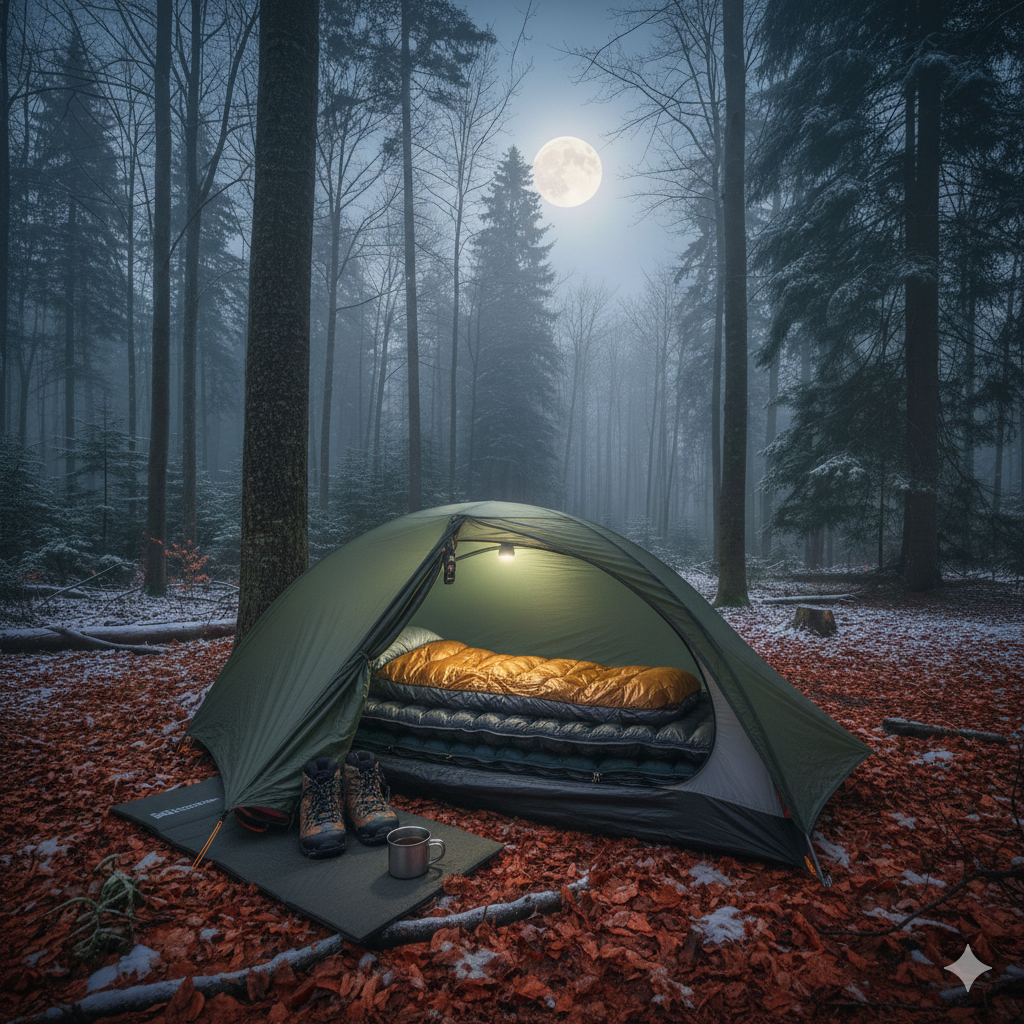
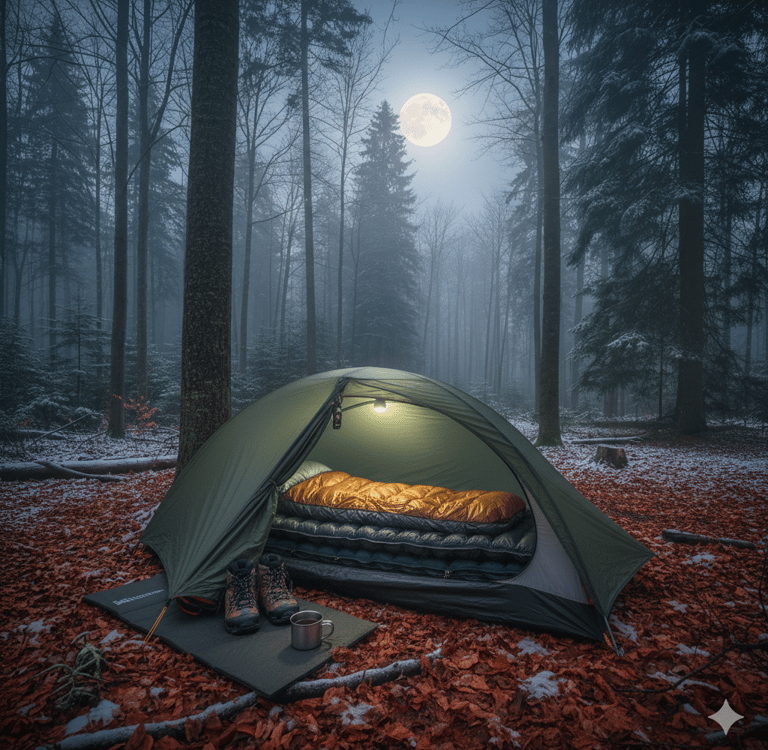
If you think camping is synonymous with waking up with a sore back and a cold chill, you’re likely missing a piece of the "Sleep System" puzzle. In the outdoor world, your bed isn't just one item—it’s a combination of three layers working together to keep you insulated from the ground and the air.
Understanding the tech behind your gear is the difference between tossing and turning and waking up refreshed for a sunrise hike.
1. The Foundation: The Sleeping Pad (and the R-Value)
Most beginners focus on the sleeping bag, but the sleeping pad is actually more important. The ground acts as a heat sink, pulling warmth away from your body through conduction.
What is R-Value? This is a measure of a pad’s thermal resistance. The higher the number, the better it insulates you.
Summer: R-value of 1.0 to 2.0.
Three-Season: R-value of 3.0 to 4.5.
Winter: R-value of 5.0+.
Pro Tip: Air mattresses from big-box stores usually have an R-value of nearly zero. If you use one in the spring or fall, you'll be cold no matter how heavy your blankets are.
2. The Engine: Down vs. Synthetic Insulation
Your sleeping bag doesn't create heat; it traps the heat your body produces.
Down (Feathers): Best warmth-to-weight ratio. It’s incredibly compressible and lasts for decades if cared for. However, if it gets wet, it loses all insulating power.
Synthetic: Heavier and bulkier, but it stays warm even when damp. It’s also generally more budget-friendly and easier to wash.
3. The Temperature Rating: A Reality Check
When a bag says "20°F," that is usually the Survival Rating, not the Comfort Rating.
The Rule of 15: A good rule of thumb is to add 15 degrees to the bag's rating to find the "Comfort Limit." If you’re a "cold sleeper," a 20°F bag will keep you cozy down to about 35°F.
4. The Finisher: The Camp Pillow & Liners
Don't use a rolled-up fleece as a pillow—it will slide around all night.
The Camp Pillow: A dedicated inflatable or foam pillow supports your neck and keeps your spine aligned.
Liners: A silk or fleece liner can add up to 10°F of warmth to your bag and keeps the interior of your expensive sleeping bag clean from trail oils and dirt.
The "Midnight" Hack: If it’s exceptionally cold, boil water and pour it into a leak-proof Nalgene bottle. Wrap it in a sock and toss it to the bottom of your sleeping bag before you get in. It acts like a radiator for your feet for up to 6 hours.
As an Amazon Associate I earn from qualifying purchases.
© 2026. All rights reserved.


Gear Up. Head Out. Hike On.