
The Science of Hydration: Electrolytes vs. Water
Explain why drinking a gallon of plain water might not be enough on a hot day. You can discuss the role of sodium, potassium, and magnesium in preventing cramps and fatigue.
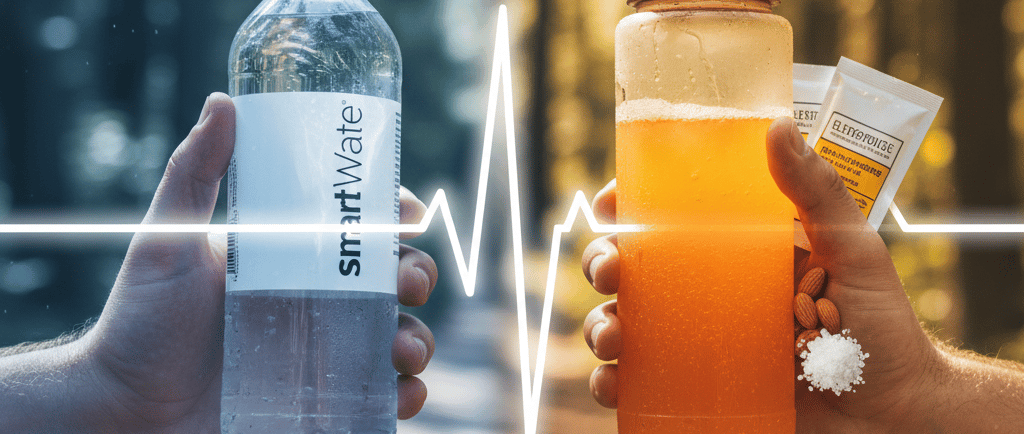
We’ve all been there: you’re five miles into a steep ascent, you’ve been dutifully chugging water from your reservoir, yet you feel sluggish, have a nagging headache, or feel a "twitch" in your calves.
If you’re drinking plenty of water but still feel dehydrated, you’re likely experiencing an electrolyte imbalance. In the world of high-output hiking, water is only half the story.
Why Water Alone Isn't Enough
When you sweat, you aren't just losing $H_2O$. You are losing essential minerals, primarily sodium, along with potassium, magnesium, and calcium.
If you drink massive amounts of plain water without replacing these minerals, you can actually dilute the sodium levels in your blood. In extreme cases, this leads to hyponatremia—a dangerous condition that causes confusion, fatigue, and even seizures.
The Core Players: What Do Electrolytes Do?
Sodium: The "Master Regulator." It helps your body retain the water you drink and maintains proper blood pressure.
Potassium: Works with sodium to help your muscles contract. If you're cramping, potassium (or lack thereof) is often the culprit.
Magnesium: Essential for energy production. It helps convert the snacks you eat into the fuel your legs need to keep moving.
Finding the Right Balance
How do you know if you need more than just tap water? A good rule of thumb is the One Hour Rule:
If you are hiking for more than 60–90 minutes, especially in heat or with a heavy pack, you should be supplementing with electrolytes.
How to Supplement:
Powders and Tablets: Easy to drop into a water bottle. Look for brands that prioritize sodium and potassium over sugar.
Salty Snacks: Pretzels, salted nuts, and jerky are classic trail staples for a reason—they are electrolyte goldmines.
The "Check": Monitor your urine color. You're aiming for "pale straw." If it’s clear, you might be over-hydrating with plain water; if it’s dark, you need more of everything.
As an Amazon Associate I earn from qualifying purchases.
© 2026. All rights reserved.

Gear Up. Head Out. Hike On.