
The "Ten Essentials" Reimagined for 2026: Modernizing Your Pack
A modern take on the classic safety list. This post could cover the standard survival gear (navigation, light, first aid) while incorporating modern tech like satellite messengers, power banks, and ultralight water filtration.
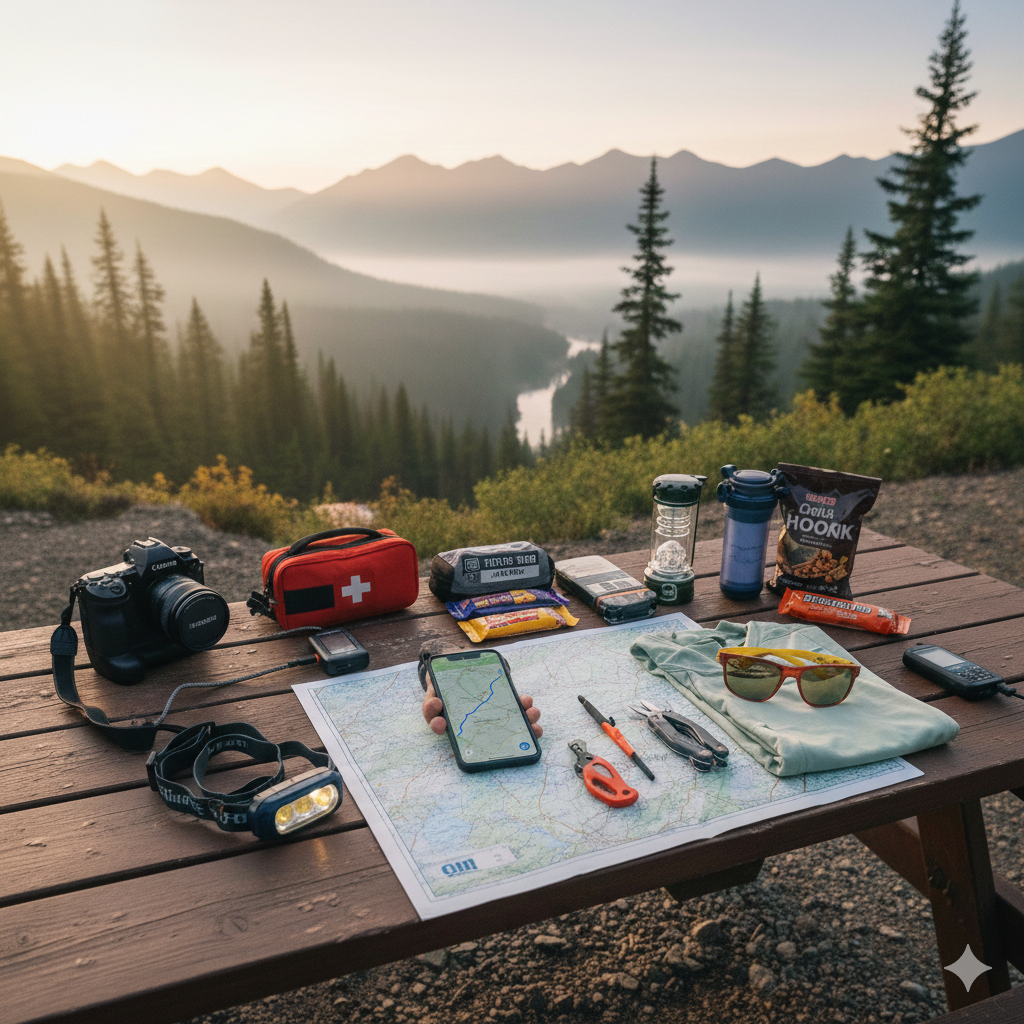
The "Ten Essentials" have been the bedrock of outdoor safety for decades, a list of items every hiker and adventurer should carry to handle emergencies in the backcountry. While the core principles remain timeless, the gear itself has evolved dramatically. In 2026, we have incredible advancements in technology and materials that can make us safer, more efficient, and better prepared.
Let's dive into a reimagined "Ten Essentials," blending the wisdom of tradition with the innovation of today.
1. Navigation: Beyond Paper and Compass
Classic: Map and Compass
2026 Update: Your trusty topographic map and compass are still non-negotiable backups. However, add a fully charged smartphone with downloaded offline maps (like Gaia GPS or AllTrails Pro) and a dedicated GPS device or smartwatch with mapping capabilities. Crucially, know how to use all of them, especially if your batteries die!
2. Headlamp/Light Source: Brighter, Lighter, Longer
Classic: Flashlight with extra batteries
2026 Update: An LED headlamp is the clear winner for hands-free convenience. Look for models with high lumen output, multiple settings (including red light to preserve night vision), and a long-lasting rechargeable battery. Always pack a small backup headlamp or a compact lantern and a portable power bank to recharge your devices.
3. Sun Protection: Comprehensive Defense
Classic: Sunglasses, sunscreen
2026 Update: Beyond high-SPF, broad-spectrum sunscreen and UV-blocking sunglasses, consider UPF-rated clothing (hats, long-sleeved shirts, neck gaiters) for maximum protection. Modern fabrics are lightweight and breathable, making sun-protective clothing a comfortable and effective choice against harmful rays, even on cloudy days or in snowy environments where reflection increases exposure.
The Takeaway
The "Ten Essentials" aren't just a list; they're a mindset. It's about preparedness, knowing your gear, and understanding how to use it. By integrating these modern updates into your pack, you'll be ready to face the unexpected with confidence and enjoy the wilderness even more safely.
4. First Aid: Prepared for Anything
Classic: Basic first-aid kit
2026 Update: Your comprehensive first-aid kit should be tailored to your trip length and group size, including blister treatment, pain relievers, antiseptic wipes, bandages, and any personal medications. Augment this with a small emergency guide (digital or physical) on how to treat common trail injuries or illnesses. Consider taking a wilderness first-aid course – no gear can replace knowledge.
5. Knife/Repair Kit: Multitool Mastery
Classic: Knife
2026 Update: A sturdy multi-tool is more versatile than a simple knife, offering pliers, screwdrivers, and other implements for gear repair. Pair this with a compact repair kit containing duct tape, safety pins, cordage, and patches for tents or sleeping pads. Being able to fix a broken strap or leaky mattress can prevent minor inconveniences from becoming major problems.
6. Fire Starter: Reliable Ignition
Classic: Matches in a waterproof container
2026 Update: Pack multiple methods! Waterproof matches and a lighter are standard. Add a ferro rod with a striker for a reliable, all-weather ignition source. Consider a small amount of fire starting aid (e.g., cotton balls soaked in petroleum jelly or commercial fire starter tabs) to ensure you can get a blaze going even with damp wood, crucial for warmth or signaling.
7. Shelter: Emergency Protection
Classic: Space blanket or tarp
2026 Update: A lightweight, compact emergency shelter is vital. This could be an ultralight tarp, a bivy sack, or even a heavy-duty emergency blanket (thicker than a simple space blanket). Its purpose is to shield you from wind and precipitation, helping to prevent hypothermia if you're unexpectedly forced to spend a night out.
8. Extra Food: Fuel for the Unexpected
Classic: High-energy, non-perishable snacks
2026 Update: Carry at least one extra day's worth of high-calorie, nutrient-dense food that doesn't require cooking. Energy bars, nuts, dried fruit, and jerky are excellent choices. This emergency stash should be separate from your planned meals and only used in a true emergency, providing vital energy if you're delayed or lost.
9. Extra Water/Purification: Stay Hydrated, Stay Safe
Classic: Extra water bottle
2026 Update: Beyond carrying sufficient water for your hike, always pack a reliable water purification method. This could be a filter (like Sawyer Squeeze or Katadyn BeFree), purification tablets, or a UV purifier. Know how to use it and carry a backup method. Dehydration can severely impair judgment and physical performance.
10. Communication/Signaling: Reach Out When Needed
Classic: Whistle, signal mirror
2026 Update: A loud whistle and a signal mirror are still excellent for attracting attention. For serious emergencies, a Personal Locator Beacon (PLB) or a Satellite Messenger (like Garmin inReach or Zoleo) is a game-changer. These devices allow you to send SOS signals to emergency services and, in some cases, communicate with loved ones, even when out of cell range. Ensure it's charged and you know how to operate it.
As an Amazon Associate I earn from qualifying purchases.
© 2026. All rights reserved.


Gear Up. Head Out. Hike On.