The Ultimate Beginner’s Guide to Hiking Gear: What You Actually Need for Your First Weekend Backpacking Trip
Whether you’re prepping for your first mile or your first mountain, we cut through the gear-clutter and technical jargon to bring you honest guides, beginner-friendly advice, and the motivation you need to lace up your boots. The wilderness doesn't care if you're a pro—it just wants you to show up.
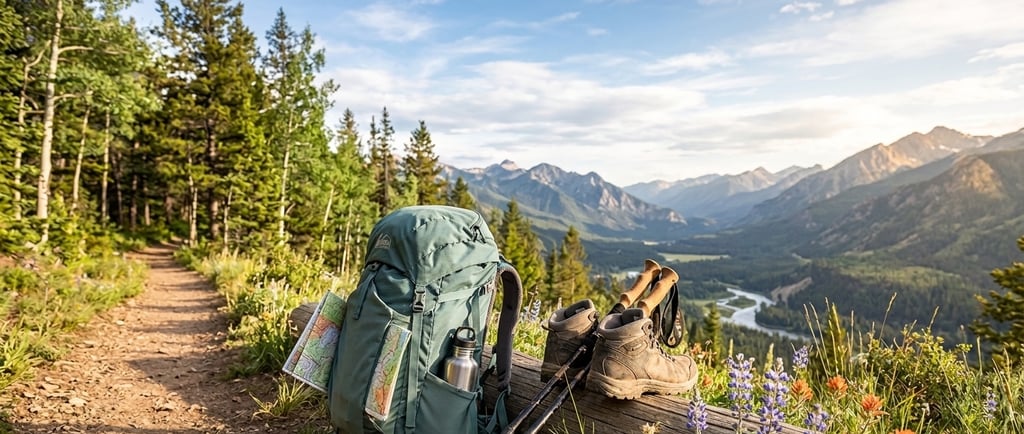
So, you’ve decided to swap the four walls of your bedroom for the open sky. Congratulations! There is nothing quite like the feeling of carrying everything you need to survive on your back and watching the sunset from a ridgeline you earned with your own two feet.
But then you look at the gear lists. Between the $600 tents and the "ultralight" titanium sporks, backpacking can feel like an expensive club you aren't invited to.
Here is the secret: You don’t need the most expensive gear to have a world-class experience. For your first weekend trip, you need reliability, comfort, and safety.
Here is exactly what you need to pack for your first 48 hours in the wild.
1. The "Big Three" (The Foundations)
In the hiking world, we call your pack, your shelter, and your sleep system the "Big Three." These are the heaviest items and where most of your budget will go.
The Pack: For a weekend trip, look for a 50–65 liter backpack. It needs to fit your torso length and have a padded hip belt to take the weight off your shoulders.
Top Pick: Osprey Atmos AG LT 65 – Lightweight, adjustable, and beloved by beginners and pros alike.
The Shelter: Don't worry about "trekking pole tents" yet. A simple, freestanding 2-person tent is much easier to set up when you’re tired.
Top Pick: Kelty Grand Mesa 2 – Affordable, durable, and very intuitive to pitch.
The Sleep System: You need a sleeping bag rated for at least 10 degrees colder than the lowest expected temperature, and a pad to insulate you from the cold ground.
Top Pick (Bag): Marmot Trestles Elite Eco 20
Top Pick (Pad): NEMO Switchback – It’s a classic foam folder. It can’t pop, and it’s budget-friendly.
2. Feet First: Footwear and Socks
Blisters are the #1 reason first-time trips get cut short.
Shoes: You don't necessarily need heavy leather boots. Many modern hikers prefer Trail Runners because they are lighter and dry faster.
Top Pick: Altra Lone Peak 8 – Famous for a wide "foot-shaped" toe box that lets your feet swell naturally.
Socks: Never wear cotton. Cotton holds moisture and creates friction. Go with Merino wool.
Top Pick: Darn Tough Hiker Micro Crew – They have a lifetime guarantee. If you wear a hole in them, they send you a new pair.
3. The Backcountry Kitchen
You’ll be surprised how much better a dehydrated meal tastes when you’re sitting on a log.
The Stove: You just need to boil water.
Top Pick: MSR PocketRocket 2 – It’s the size of a spice jar and incredibly reliable.
Water Filtration: Never drink straight from a stream, no matter how clear it looks.
Top Pick: Sawyer Squeeze – The industry standard. Light, simple, and effective.
4. The "Don't Forget These" Essentials
A Headlamp: Do not rely on your phone flashlight. You need your hands free to cook or set up your tent in the dark.
Recommendation: Black Diamond Storm 500-R
The Trowel: Leave No Trace means burying your waste.
Recommendation: The Deuce of Spades – A featherlight aluminum trowel.
Power Bank: To keep your navigation (AllTrails or Gaia GPS) running.
A Final Pro-Tip for New Hikers:
Before you head into the woods, do a "dry run" in your backyard or a local park. Set up the tent, boil water on your stove, and sleep in your sleeping bag. Learning how your gear works in a low-stakes environment makes the actual trip much more relaxing.
The mountains are calling—now you actually have the gear to answer.
Happy Trails!
Disclaimer: This post contains affiliate links. If you purchase through these links, To The Outdoors may earn a small commission at no extra cost to you. We only recommend gear we truly trust.
As an Amazon Associate I earn from qualifying purchases.
© 2026. All rights reserved.
Gear Up. Head Out. Hike On.