
Training for Your First Thru-Hike: From the Gym to the Trail
Focus on the physical and mental preparation. Include a sample workout schedule that builds aerobic capacity and leg strength, plus tips on "shakedown hikes" to test gear.
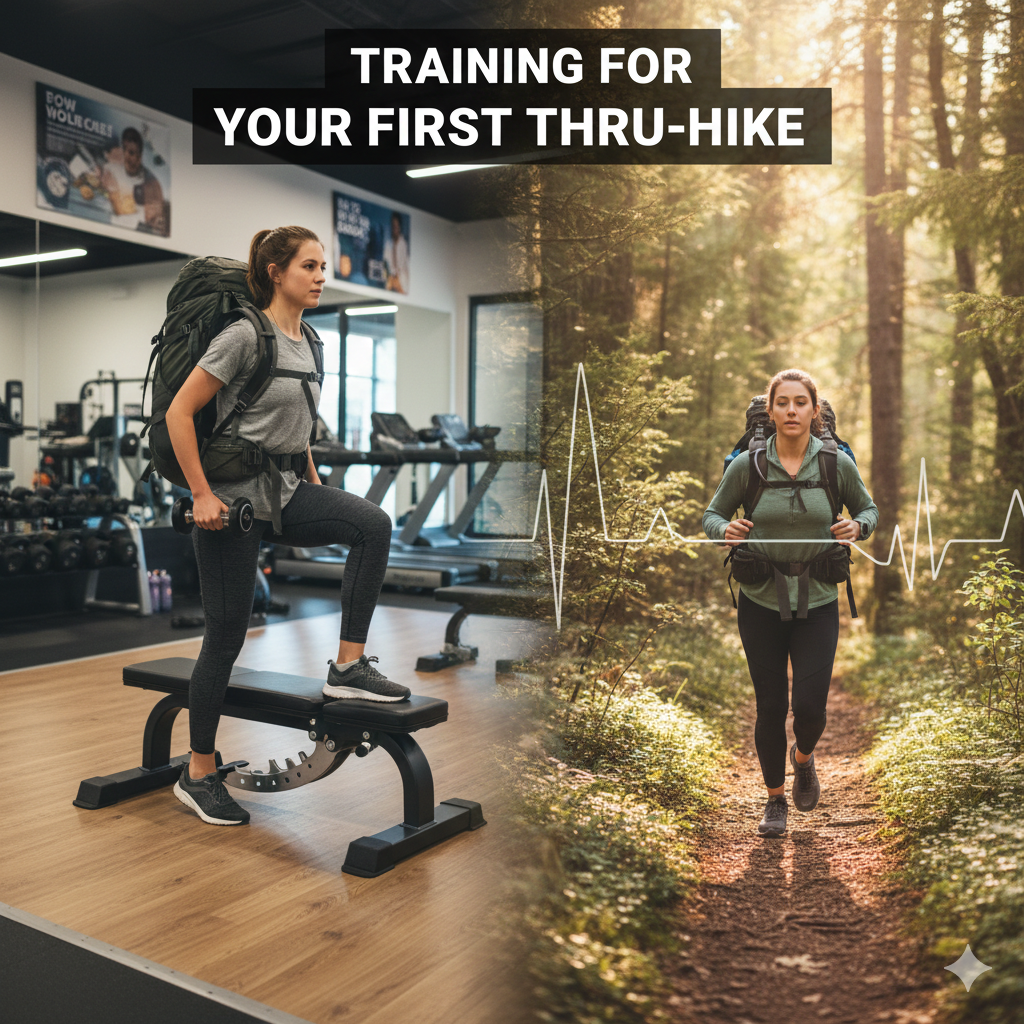
Embarking on a thru-hike—whether it’s the Appalachian Trail, the PCT, or a shorter regional long-distance path—is as much a mental challenge as it is a physical one. You aren't just going for a walk; you are moving your entire life into a backpack for weeks or months at a time.
If you want to avoid the common "Day 3" injuries (shin splints and blisters, we're looking at you), you need a solid training foundation. Here is how to prepare your body and mind for the long haul.
The Physical Pillars of Training
1. Cardiovascular Endurance
You don't need to be a sprinter, but you do need a "forever engine."
The Goal: Build a base where you can maintain a moderate heart rate for several hours.
The Routine: Focus on "Zone 2" training—activities like jogging, swimming, or cycling where you can still hold a conversation. Aim for 3–4 sessions a week, gradually increasing duration rather than intensity.
2. Specific Strength (The "Hiker Muscles")
Hiking is essentially a series of thousands of weighted lunges.
Focus Areas: Core, glutes, and calves.
Key Exercises: * Step-ups: Find a bench and step up while wearing your loaded pack.
Lunges: Forward, backward, and lateral to stabilize the knees.
Planks: A strong core prevents your pack from swaying and causing back pain.
3. The "Shakedown Hike": Your Most Important Tool
You cannot train for a hike solely in a gym. A shakedown hike is a multi-day trip where you use all the gear you plan to take on your thru-hike.
Test Your Gear: Does your stove actually work in the wind? Does your pack chafe after 10 miles?
Test Your Body: This is where you learn if your shoes are the right size (hint: your feet will swell, so many pros go up a half-size).
Mental Preparation: The "Why"
On a thru-hike, you will encounter "The Suck"—the days when it’s raining, you’re out of snacks, and your feet hurt.
Identify Your 'Why': Write down exactly why you want to do this. Keep it in your phone or a pocket. When things get tough, read it.
Embrace Incrementalism: Don't think about the 2,000 miles. Think about the next 5 miles to the next water source.
As an Amazon Associate I earn from qualifying purchases.
© 2026. All rights reserved.


Gear Up. Head Out. Hike On.