
Ultralight Hiking: Where to Cut Weight (and Where Not To)
A guide to "base weight" reduction. Offer advice on swapping heavy tents for tarps or quilts, but warn against compromising safety gear like first aid kits or emergency shelters.
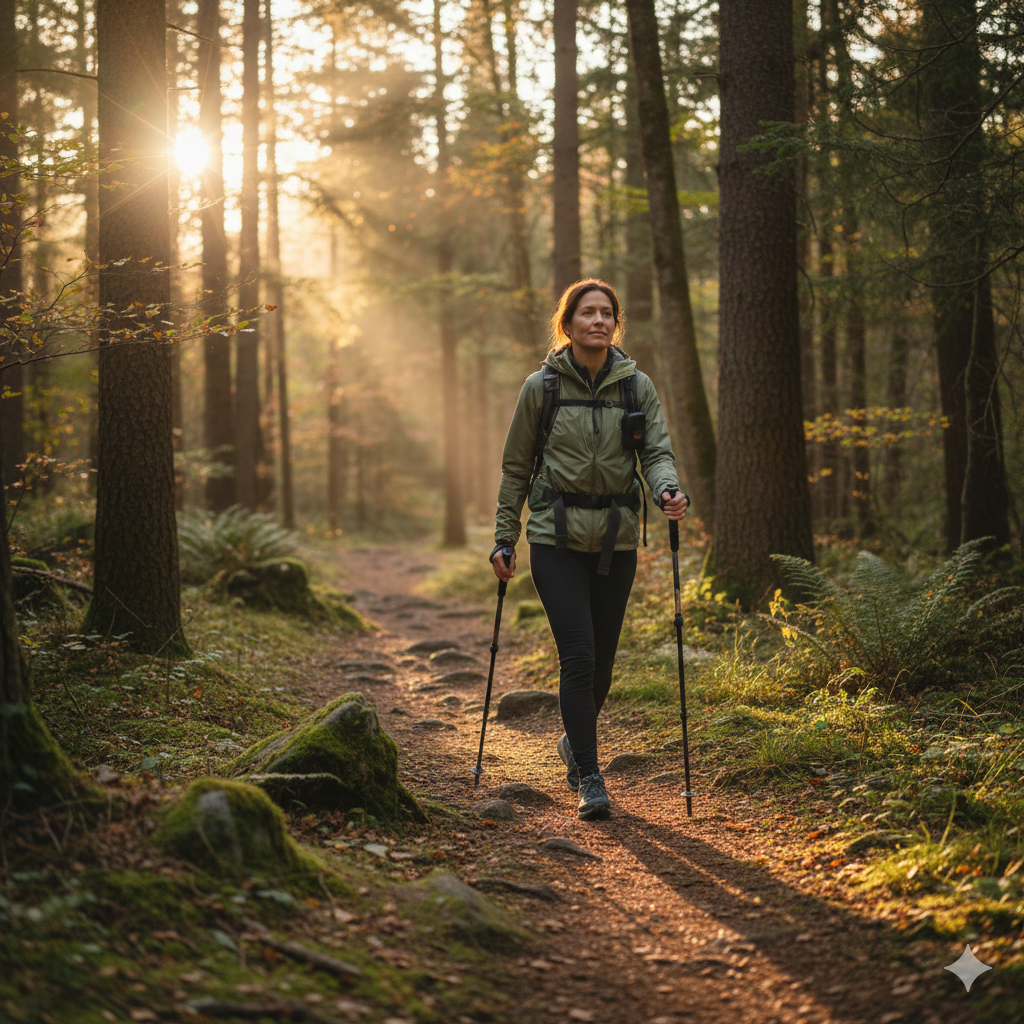

The "Ultralight" movement has taken the hiking world by storm, and for good reason. Reducing your "base weight" (the weight of your gear excluding consumables like food, water, and fuel) to under 10 lbs ($4.5$ kg) can transform a grueling slog into a nimble, joyful glide through the wilderness.
However, there is a fine line between being an "ultralight ninja" and being dangerously unprepared. Here is how to shave ounces without sacrificing safety.
Where to Cut: The "Big Three"
If you want to see a massive drop in weight, don't start by cutting the handle off your toothbrush. Start with the heavy hitters.
The Shelter: Traditional double-walled tents can weigh 4–5 lbs. Switching to a trekking-pole-supported tarp or an ultralight single-wall tent can drop that to under 2 lbs.
The Sleep System: Swap a heavy synthetic sleeping bag for a down quilt. Quilts eliminate the hood and the bottom insulation (which is crushed under you anyway), providing the same warmth for a fraction of the weight.
The Pack: Once your gear is smaller and lighter, you no longer need a 65-liter pack with a heavy internal frame. A frameless or lightweight alloy frame pack can save you another 2–3 lbs.
The "Stupid Light" Zone: Where NOT to Cut
"Stupid Light" is a term coined by legendary hiker Andrew Skurka to describe gear choices that prioritize weight over basic safety and function. Avoid cutting these:
The First Aid Kit: You don't need a hospital in your bag, but you do need enough to stop a bleed, treat a burn, and stabilize an allergy. Never "opt-out" of basic medical supplies.
Emergency Insulation: Even in summer, mountain temperatures can plummet. Never skip a dedicated insulation layer (like a lightweight down jacket) or an emergency bivy.
Repair Kit: A single broken buckle or a hole in your sleeping pad can ruin a trip. A few grams of duct tape and a patch kit are worth their weight in gold.
Navigation: Relying only on a smartphone to save 3 ounces is a mistake. Always have a paper map or a dedicated satellite backup.
As an Amazon Associate I earn from qualifying purchases.
© 2026. All rights reserved.


Gear Up. Head Out. Hike On.